Mobile App Security in 2026: What Changed
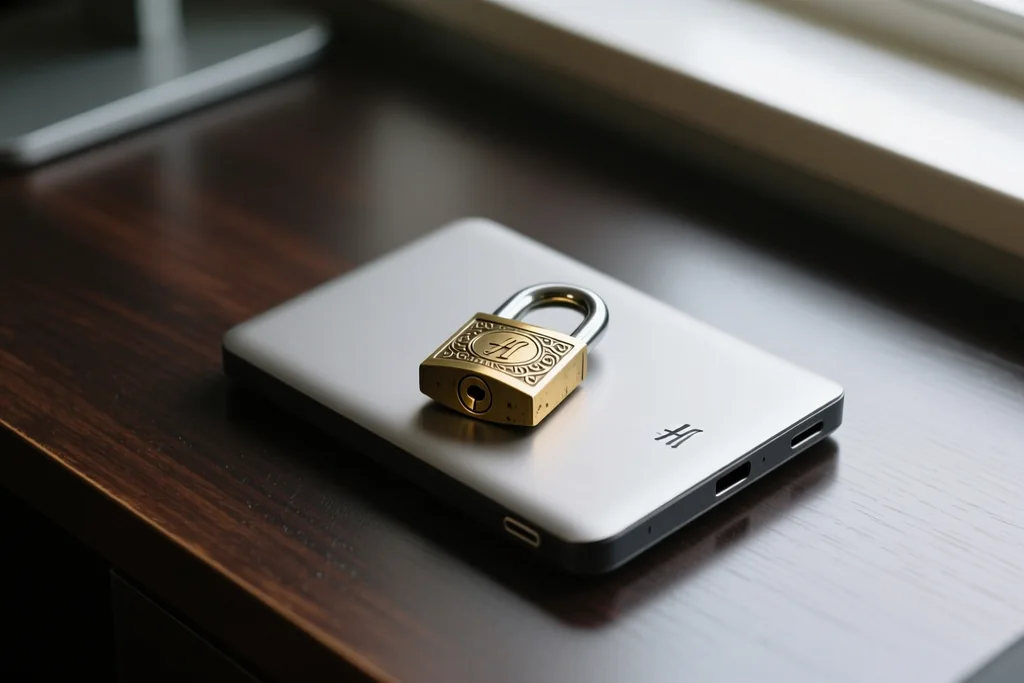
App security has quietly become the front line of account safety, because the phone is where most players now log in and where most of the risk sits. A password alone no longer protects a betting account that holds a balance, and the features that close the gap have moved from optional extras to expected defaults. This guide explains what changed, what the main protections actually do, and which ones are worth enabling before you deposit.
Available features and how they are configured depend on the operator and the device, so check the current terms with the operator and the security settings inside your own app.

Biometric login becomes the default
The most significant change is the shift toward biometric login. A fingerprint or face check ties access to you as a person rather than to a string of characters that can be guessed, reused or stolen. Because the data usually never leaves the device, it is harder to intercept than a password typed into a field.
Biometrics are not perfect, and they are best treated as a layer rather than a replacement. Used alongside a strong password and a second factor, they raise the effort required to break in well beyond what most attackers will spend. Used alone, they still leave gaps if the device itself is left unlocked.
The reason the shift matters is where the risk actually sits. Most account compromises are not sophisticated attacks on a server but simple ones on a person: a guessed password, a reused login, a phone left open. Biometrics answer that class of threat directly, because a face or a fingerprint cannot be guessed from another website's breach, and it cannot be written down where someone else can find it.
App locks protect the whole session
An app lock is different from a login check. Where login guards the moment you sign in, a lock guards the app while it is open, requiring a fresh confirmation after a period of inactivity or each time the app returns to the foreground. That matters because an open session on a borrowed or unattended phone is an open door.
Enabling a lock costs a few seconds each time you use the app and can prevent the worst outcome, which is someone else reaching a live balance. For anyone who shares a device or leaves a phone on a table, it is close to essential.
Session control and device awareness
Modern accounts increasingly let you see where you are logged in and end sessions you do not recognise. This turns security from a guess into a check: instead of wondering whether anyone else has access, you can look at the list and act. Signing out of unfamiliar devices is one of the fastest ways to shut down a compromise.
- Review the list of active sessions regularly, not only when something seems wrong.
- End any session you cannot account for without hesitation.
- Sign out fully on shared or public devices rather than closing the app.
- Watch for unexpected login alerts and treat them seriously.
Device awareness also means noticing a change in behaviour. A login prompt you did not trigger, or an alert from a location you have never used, is the clearest signal that something needs attention.
Security basics compared
The table sets out what each protection covers, so you can see where the gaps are if any are missing.
| Protection | What it guards | When it helps most |
|---|---|---|
| Strong password | The initial sign-in | Baseline for every account |
| Biometric login | Identity at sign-in | Preventing borrowed-phone access |
| App lock | An open session | Shared or unattended devices |
| Session review | Unrecognised access | After any suspicion of compromise |
| Two-factor check | A second proof of identity | Adding a layer to the password |
The strongest position is not any single item on that list but the combination. Each layer assumes the one before it could fail.
It is worth being honest about what these measures do and do not solve. They make your own account far harder to reach, but they do not protect against a decision you make yourself, such as depositing more than planned or chasing a loss. Security and self-control are separate problems, and an account can be perfectly locked down while its owner still overspends. The tools that address that side of things live in the responsible play settings, not in the security menu.
What to check in the app settings
Spend a few minutes in the security section of the app and confirm what is switched on. Enable biometric login if the device supports it, turn on an app lock, set an inactivity timeout, and make sure two-factor verification is active. Then note where the session list lives, so you can reach it quickly if needed.
Keep the app updated as well, since security fixes arrive through updates rather than through settings. An out-of-date build can carry weaknesses that the current version has already closed.
Habits that matter more than features
Technology only goes so far, and the habits around it decide the rest. Do not share login details, do not reuse a password from another site, and do not install the app from an unofficial source. Treat a request for your credentials, however convincing it looks, as an attempt to compromise your account rather than a legitimate check.
Security and responsible play come down to the same discipline: prepare in advance and refuse the impulse in the moment. Set your protections before you deposit, keep your limits in place, and remember that this guide is for adults of 18+ only and that betting can be addictive.
A short checklist before the first deposit
Work through the device settings before adding money: set a screen lock, enable biometric login where the app supports it, and check which sessions are currently active. If the platform shows a device list, remove anything you do not recognise.
Then look at the account side — deposit limits, time-out options and two-factor authentication. These settings take a few minutes once and reduce the chance of a problem later, especially if the phone is shared or resold.
Next steps
Read the payment and bonus sections before your first deposit.